
 zář, 5 2026
Many people worry that eating hemp seeds might mess with their hormonal balance. You see headlines about "cannabis" and immediately think of psychoactive effects or hormonal disruption. But here is the reality: hemp seeds are not marijuana. They don't contain significant amounts of THC, the compound that gets you high. So, do they affect your hormones? The short answer is no, not in the way you fear. In fact, they might actually help regulate them.
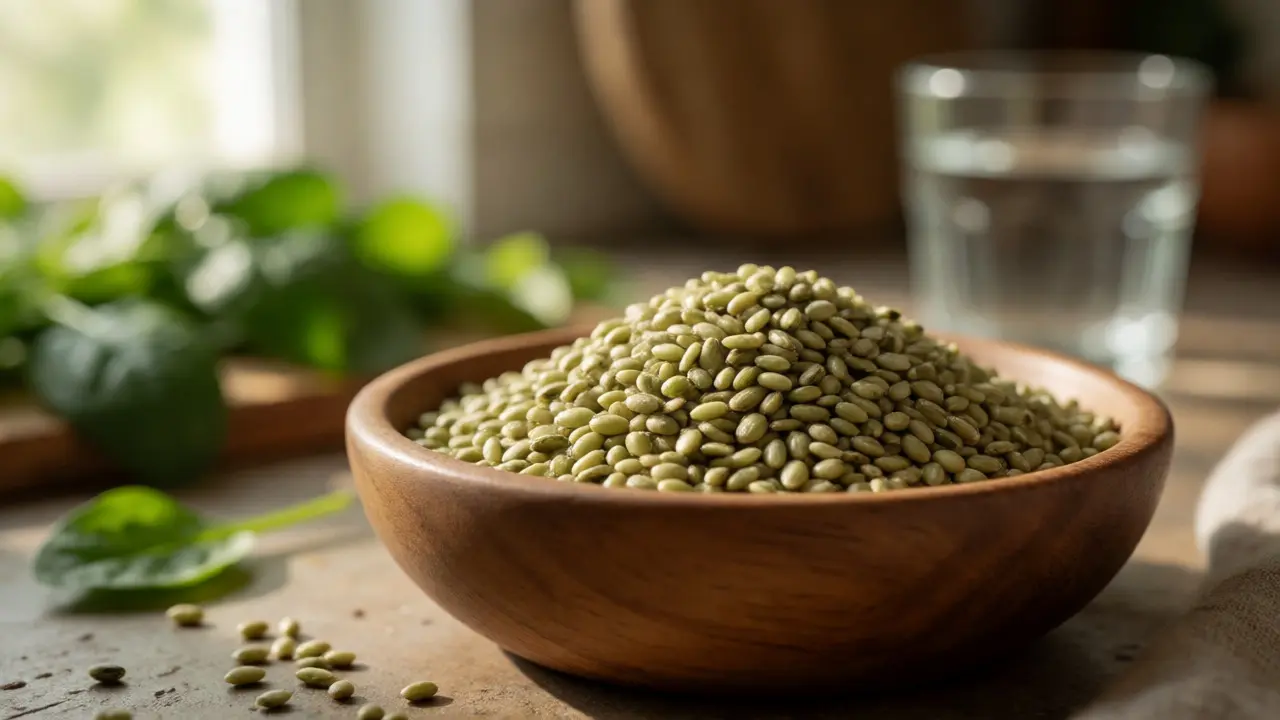
Let's clear up the confusion right away. Hemp seeds come from the industrial hemp plant (Cannabis sativa). Unlike medical cannabis, hemp has been bred to have very low levels of tetrahydrocannabinol (THC). What it does have is a rich profile of nutrients, healthy fats, and proteins. When you eat these tiny green gems, you aren't ingesting drugs. You're eating food. And like any food, they interact with your body's systems, including your endocrine system. But this interaction is mostly positive.
The Endocannabinoid System Connection
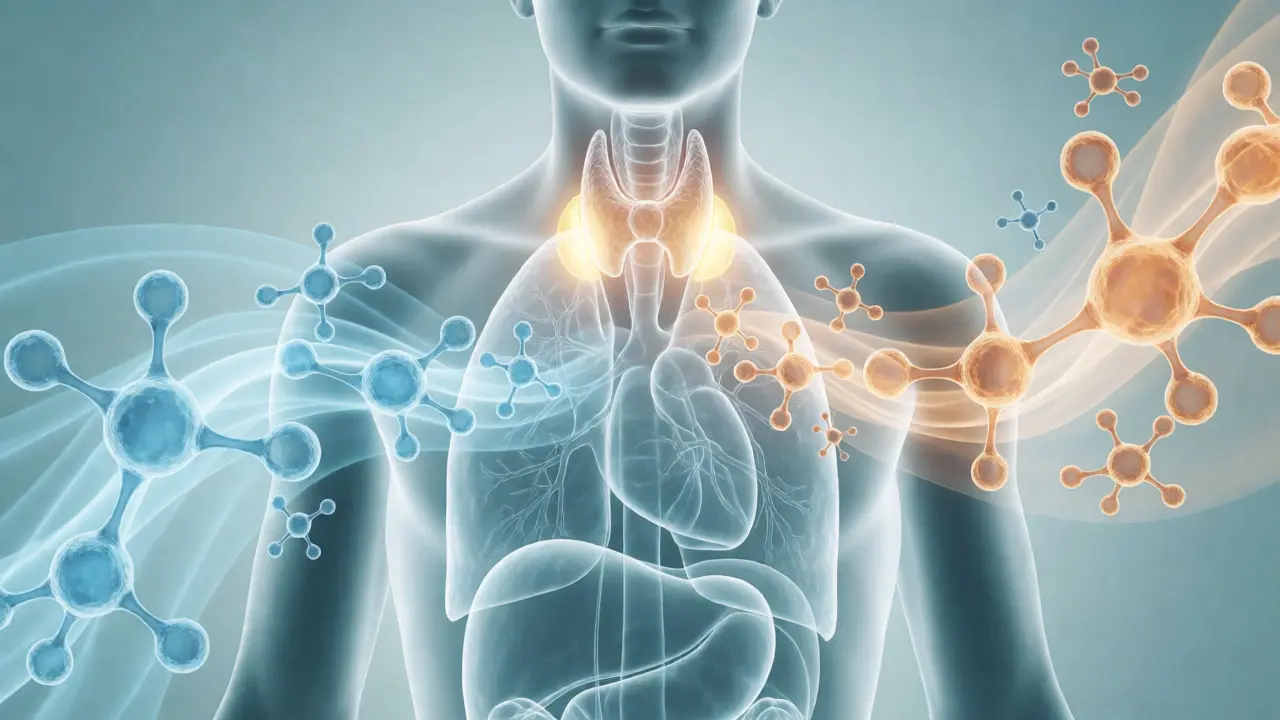
To understand how hemp affects your body, you need to know about the endocannabinoid system (ECS). This is a complex cell-signaling system identified in the early 1990s. It plays a role in regulating a range of functions and processes, including sleep, mood, appetite, memory, and reproduction. Yes, reproduction involves hormones.
Hemp seeds contain compounds called phytocannabinoids, but in negligible amounts compared to medical cannabis. However, they are packed with essential fatty acids, specifically omega-3 and omega-6. These fats are crucial for hormone production. Steroid hormones, such as testosterone, estrogen, and cortisol, are derived from cholesterol. Cholesterol synthesis and regulation depend heavily on dietary fats. If your diet lacks healthy fats, your hormonal balance can suffer.
Eating hemp seeds provides a perfect ratio of omega-6 to omega-3 fatty acids, roughly 3:1. This ratio is considered ideal by many nutritionists for reducing inflammation. Chronic inflammation can disrupt hormonal signaling. By lowering systemic inflammation, hemp seeds indirectly support a healthier hormonal environment. Think of it as cleaning up the noise so your hormones can speak clearly.
Nutritional Powerhouse for Hormonal Health
Beyond fats, hemp seeds offer specific nutrients that directly impact hormone production. Let's look at the key players:
- Zinc: Essential for testosterone production. Men with zinc deficiencies often experience lower libido and energy levels. Hemp seeds are a decent plant-based source of zinc.
- Magnesium: Helps regulate cortisol, the stress hormone. High magnesium levels are linked to better sleep and reduced anxiety, which helps keep cortisol in check.
- Vitamin E: An antioxidant that protects cells from damage. Oxidative stress can impair hormone receptors. Vitamin E helps maintain cellular integrity.
- Gamma-linolenic acid (GLA): Found in hemp seed oil, GLA is known to help alleviate symptoms of PMS and menopause. Some studies suggest it may reduce breast tenderness and mood swings associated with hormonal fluctuations.
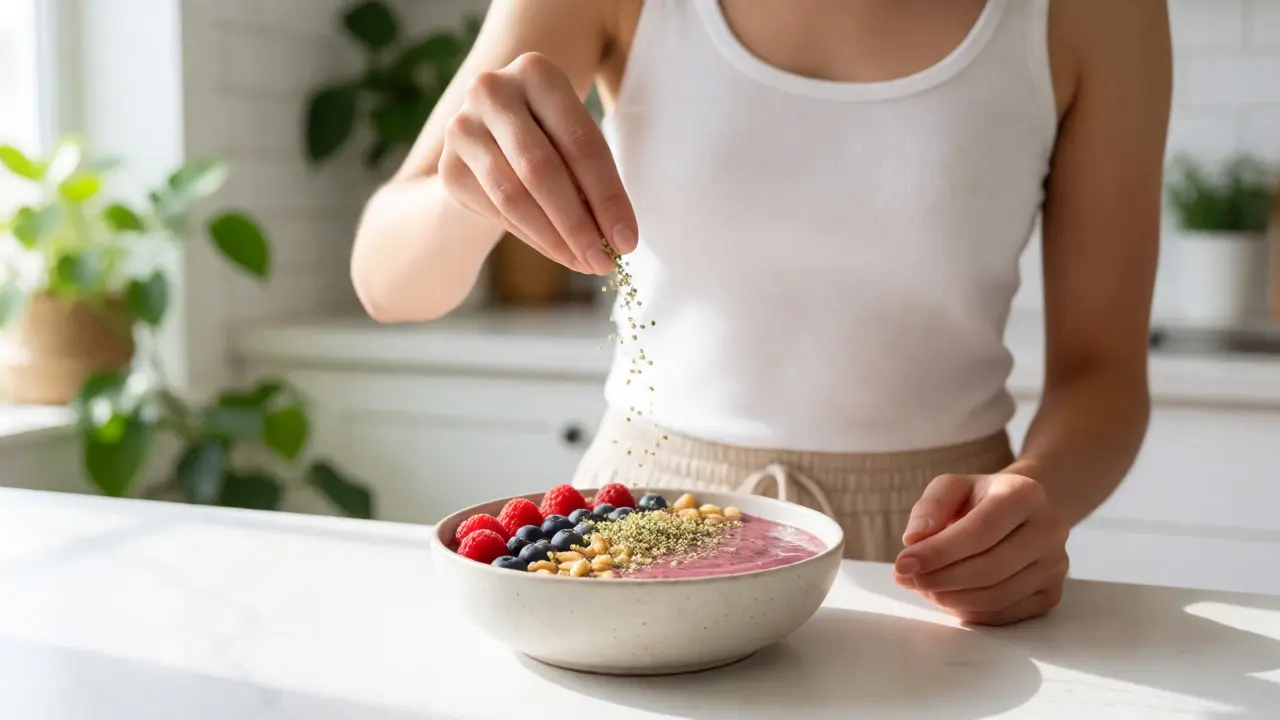
When you add two tablespoons of hemp seeds to your morning oatmeal or smoothie, you aren't just adding crunch. You're delivering a cocktail of micronutrients that your endocrine system uses daily. For women experiencing premenstrual syndrome, the GLA content might offer relief without the side effects of synthetic medications. For men, the zinc and magnesium support overall vitality.
Phytoestrogens: The Myth vs. Reality
Some people confuse hemp seeds with soy because both are plant-based protein sources. Soy contains phytoestrogens, plant compounds that mimic estrogen. This leads to concerns that hemp might also act like an estrogen booster. Does hemp contain phytoestrogens?
The answer is nuanced. Hemp seeds contain lignans and other polyphenols, which have weak estrogenic activity. However, the concentration is far lower than in flaxseeds or soybeans. For most people, this amount is too small to cause significant hormonal shifts. Unless you are consuming massive quantities-think cups per day-you won't see a noticeable change in your estrogen levels.
Moreover, research suggests that these compounds might actually be protective. Lignans can bind to estrogen receptors and block stronger estrogens from attaching. This could potentially lower the risk of hormone-sensitive cancers. So instead of fearing hemp seeds, consider them a gentle modulator rather than a disruptor.
How to Incorporate Hemp Seeds into Your Diet
If you want to reap the benefits without worrying about hormonal chaos, start small. Here is a simple guide to using hemp seeds safely and effectively.
| Amount | Best Use Case | Expected Benefit |
|---|---|---|
| 1 tbsp (15g) | Sprinkled on salads or yogurt | Mild nutrient boost, good for beginners |
| 2 tbsp (30g) | In smoothies or baking | Optimal omega-3 intake, supports heart and hormone health |
| 3+ tbsp (45g+) | High-protein diets | Significant calorie increase; monitor if weight loss is goal |
Start with one tablespoon a day. See how your body reacts. Most people tolerate hemp seeds well, but sudden increases in fiber and fat can cause digestive upset. Gradually work your way up to two tablespoons. This amount provides enough nutrients to make a difference without overloading your system.
You can buy hulled hemp seeds (also called hemp hearts) in most health food stores or supermarkets. They have a mild, nutty flavor that blends easily with other foods. Store them in the refrigerator after opening. The oils in hemp seeds can go rancid if exposed to heat and light for too long. Rancid oils create free radicals, which harm your cells and hormones. Keeping them cold ensures you get fresh, beneficial fats.
Who Should Be Cautious?
While hemp seeds are safe for the vast majority of people, there are exceptions. If you are on blood-thinning medication, consult your doctor. The high vitamin K and omega-3 content can thin the blood slightly. Combining large amounts of hemp seeds with anticoagulants might increase bleeding risk.
Pregnant or breastfeeding women should also talk to their healthcare provider. Although hemp seeds are nutritious, every pregnancy is unique. There isn't extensive clinical data on high-dose hemp consumption during pregnancy. Moderate amounts as part of a balanced diet are generally considered safe, but professional advice is always best.
People with kidney disease should watch out. Hemp seeds are high in potassium and phosphorus. Damaged kidneys struggle to filter these minerals, leading to dangerous imbalances. Always check with a nephrologist before making major dietary changes.
Final Thoughts on Hemp and Hormones
So, do hemp seeds effect hormones? They influence them positively through nutritional support. They provide the building blocks for hormone synthesis and reduce inflammation that interferes with hormonal signaling. They do not contain psychoactive drugs that alter brain chemistry dramatically. They do not contain enough phytoestrogens to feminize men or masculinize women.
Think of hemp seeds as a supportive tool in your wellness toolkit. They work alongside sleep, exercise, and stress management. If you feel off-balance hormonally, fixing your diet is a great first step. Adding hemp seeds is an easy, tasty way to improve your fatty acid profile and get essential minerals. Just remember, food is medicine, but it works slowly. Give it time, stay consistent, and listen to your body.
Do hemp seeds raise estrogen levels?
No, hemp seeds do not significantly raise estrogen levels. They contain trace amounts of phytoestrogens, but the concentration is too low to cause measurable hormonal shifts in most individuals. Any effect is likely due to improved overall metabolic health rather than direct estrogenic activity.
Can men eat hemp seeds without getting feminine traits?
Yes, men can safely consume hemp seeds. They will not develop gynecomastia or other feminine traits from eating hemp. The phytoestrogen content is minimal, and the high zinc and magnesium levels actually support healthy testosterone production.
How much hemp seed should I eat daily for hormonal health?
Two tablespoons (about 30 grams) per day is a common recommendation. This amount provides a substantial dose of omega-3 and omega-6 fatty acids, protein, and minerals like magnesium and zinc, which support hormonal balance without excessive calorie intake.
Does hemp seed oil affect hormones differently than whole seeds?
Hemp seed oil is concentrated in fatty acids, particularly gamma-linolenic acid (GLA), which may help with PMS symptoms. Whole seeds provide fiber and protein in addition to fats. Both support hormonal health, but the oil offers a more direct route for anti-inflammatory benefits related to hormone regulation.
Are hemp seeds safe for people with thyroid issues?
Generally, yes. Hemp seeds are gluten-free and do not contain goitrogens found in cruciferous vegetables. However, selenium and iodine are critical for thyroid function, and hemp is not a primary source of these. Consult your endocrinologist if you have severe thyroid conditions.